Energy systems like Chi and Prana have guided healing and spiritual practices for thousands of years, offering pathways to vitality, balance, and wellness.

🌟 Understanding the Ancient Wisdom of Life Force Energy
Throughout human history, various cultures have recognized an invisible force that animates all living beings. In Traditional Chinese Medicine, this force is called Chi (or Qi), while ancient Indian Ayurvedic and yogic traditions refer to it as Prana. Despite different names and cultural contexts, these concepts share a fundamental truth: there exists a vital energy flowing through our bodies that determines our physical health, emotional balance, and spiritual well-being.
Modern science is beginning to acknowledge what ancient practitioners have known for millennia. Research in biofield science, quantum physics, and integrative medicine suggests that the human body generates measurable electromagnetic fields and that disruptions in these fields correlate with illness and disease. While Western medicine has traditionally focused on biochemical processes, energy medicine offers a complementary perspective that views the body as an interconnected system of energy pathways.
The concept of life force energy isn’t limited to Eastern philosophies. Ancient Greeks spoke of pneuma, Hawaiians recognized mana, and indigenous cultures worldwide have their own interpretations of this universal force. This cross-cultural consistency suggests something profound about human experience and our relationship with the energy that sustains us.
The Chi System: Pathways of Chinese Energy Medicine
Chi represents the fundamental life energy in Chinese philosophy and medicine. According to this system, Chi flows through specific pathways called meridians, circulating throughout the body in a continuous cycle. When Chi flows freely and abundantly, we experience health and vitality. When it becomes blocked, stagnant, or depleted, illness and discomfort arise.
Traditional Chinese Medicine identifies several types of Chi, each serving different functions in the body:
- Yuan Chi (Original Chi): The inherited energy we receive from our parents at conception, stored primarily in the kidneys
- Gu Chi (Food Chi): Energy derived from the food we eat and processed by the spleen and stomach
- Kong Chi (Air Chi): Energy obtained through breathing, processed by the lungs
- Zong Chi (Gathering Chi): The combination of air and food Chi that supports heart and lung function
- Wei Chi (Defensive Chi): Protective energy that circulates on the body’s surface, defending against external pathogens
The meridian system consists of twelve primary channels and eight extraordinary vessels that transport Chi throughout the body. Each meridian connects to specific organs and governs particular physical and emotional functions. Acupuncture, one of the most widely practiced forms of Chinese medicine globally, works by inserting fine needles at specific points along these meridians to regulate Chi flow and restore balance.
Cultivating Chi Through Daily Practices
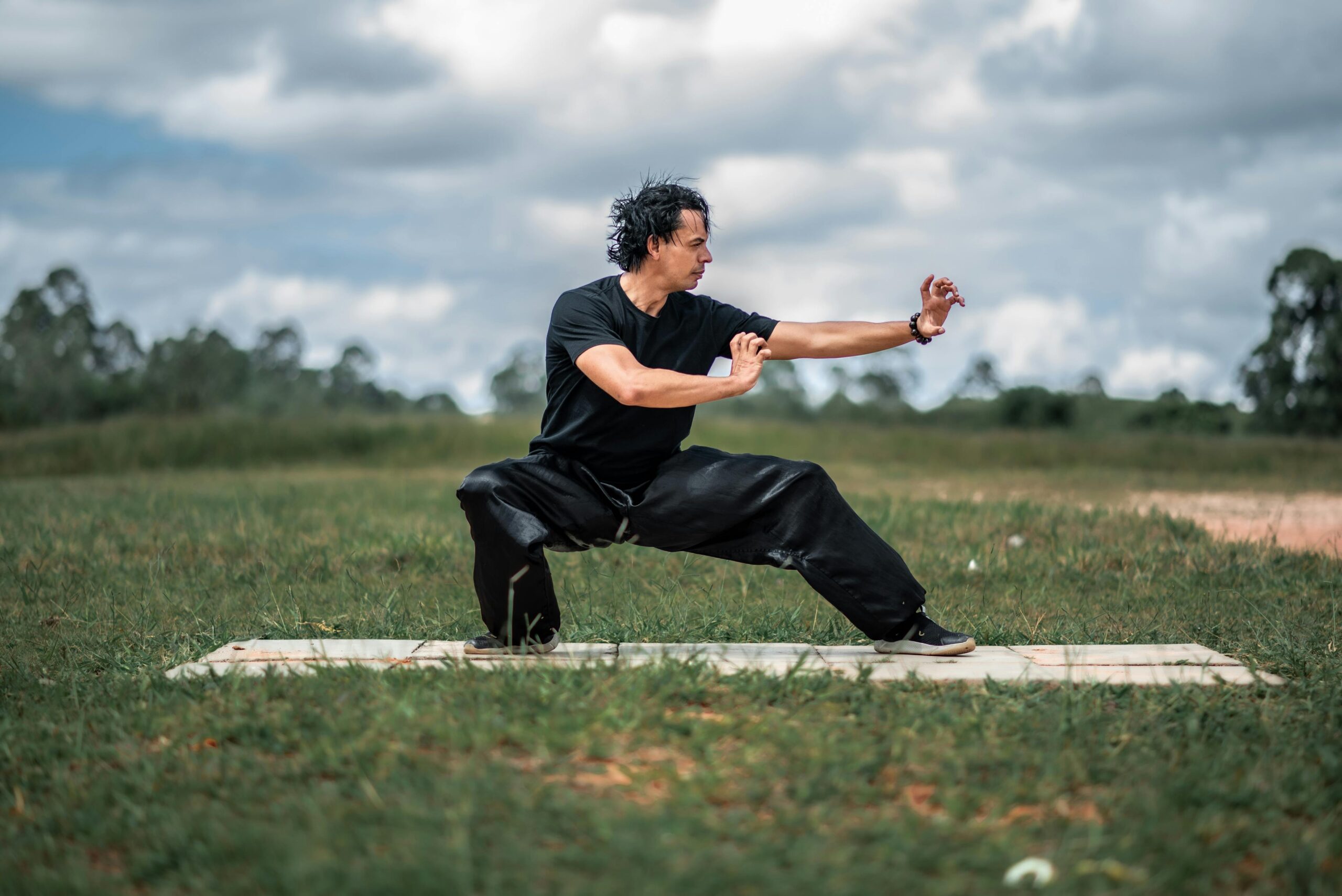
Building and maintaining healthy Chi doesn’t require elaborate rituals or expensive treatments. Simple daily practices can significantly enhance your energy levels and overall vitality. Tai Chi and Qigong are moving meditation practices specifically designed to cultivate and circulate Chi throughout the body. These gentle exercises combine slow, flowing movements with breath control and mental focus.
Proper breathing techniques form the foundation of Chi cultivation. The Chinese emphasize abdominal breathing, where the breath originates from the lower dantian (energy center) located approximately three finger-widths below the navel. This type of breathing maximizes oxygen intake, massages internal organs, and activates the parasympathetic nervous system, promoting relaxation and energy renewal.
Diet plays a crucial role in Chi production. Traditional Chinese dietary therapy categorizes foods according to their energetic properties—warming, cooling, drying, or moistening. Eating in harmony with the seasons, choosing fresh and minimally processed foods, and maintaining regular meal times all support healthy Chi production from the digestive system.
💫 The Prana System: Indian Wisdom of Vital Energy
Prana, derived from Sanskrit meaning “life force” or “vital principle,” represents the universal energy that pervades everything in existence. In yogic philosophy, Prana is more than just breath—it’s the subtle energy that animates the breath itself. While we often associate Prana with breathing practices (pranayama), this vital force exists in multiple forms throughout nature, present in sunlight, water, food, and air.
The Pranic system operates through energy channels called nadis. Ancient texts describe 72,000 nadis throughout the body, though three primary channels receive the most attention in yogic practice:
- Ida Nadi: The left channel, associated with lunar energy, coolness, and the parasympathetic nervous system
- Pingala Nadi: The right channel, associated with solar energy, heat, and the sympathetic nervous system
- Sushumna Nadi: The central channel running along the spine, the primary pathway for spiritual awakening
Along the Sushumna nadi lie seven major energy centers called chakras. Each chakra corresponds to specific physical, emotional, and spiritual functions, forming a comprehensive map of human consciousness and development.
The Seven Chakra System Explained
Understanding the chakra system provides valuable insights into how energy blockages manifest as physical symptoms or emotional imbalances. Each chakra vibrates at a specific frequency and governs particular aspects of our being:
| Chakra | Location | Primary Functions | Imbalance Signs |
|---|---|---|---|
| Muladhara (Root) | Base of spine | Survival, grounding, security | Anxiety, financial stress, disconnection |
| Svadhisthana (Sacral) | Lower abdomen | Creativity, sexuality, emotions | Creative blocks, relationship issues |
| Manipura (Solar Plexus) | Upper abdomen | Personal power, confidence | Low self-esteem, control issues |
| Anahata (Heart) | Center of chest | Love, compassion, connection | Difficulty with relationships, bitterness |
| Vishuddha (Throat) | Throat | Communication, self-expression | Fear of speaking, inability to listen |
| Ajna (Third Eye) | Between eyebrows | Intuition, wisdom, insight | Lack of clarity, poor judgment |
| Sahasrara (Crown) | Top of head | Spiritual connection, enlightenment | Disconnection from purpose, cynicism |
Pranayama: The Science of Breath Control
Pranayama practices form the cornerstone of Pranic energy cultivation. These breathing techniques go beyond simple respiration, utilizing specific patterns to direct Prana throughout the body, clear nadis, balance the nervous system, and prepare the mind for meditation.
Nadi Shodhana (alternate nostril breathing) balances the Ida and Pingala nadis, creating harmony between the body’s opposing forces. This practice calms the mind, reduces anxiety, and enhances mental clarity. Regular practice has been shown to lower blood pressure, improve cardiovascular function, and enhance respiratory efficiency.
Kapalabhati (skull-shining breath) is a more vigorous technique that cleanses the respiratory system, energizes the body, and sharpens mental focus. This practice involves forceful exhalations followed by passive inhalations, creating a pumping action that stimulates the abdominal organs and increases oxygen circulation.
Ujjayi (victorious breath) creates a gentle restriction in the throat, producing a soft oceanic sound. This breathing technique generates internal heat, improves concentration, and helps maintain focus during challenging yoga postures. Many practitioners find that Ujjayi breathing creates a meditative state that enhances their practice.
🔄 Bridging Two Systems: Common Ground Between Chi and Prana
Despite originating in different cultures and philosophical systems, Chi and Prana share remarkable similarities. Both recognize a vital energy that sustains life, flows through specific pathways in the body, and can be cultivated through intentional practices. Both systems understand that blockages or imbalances in energy flow lead to disease, while smooth circulation promotes health and longevity.
The meridian system and nadi system, while described differently, both map energy pathways throughout the body. Acupuncture points often correspond to locations where nadis intersect or where energy concentrates. The dantians in Chinese medicine (three energy centers in the lower abdomen, heart, and head) align closely with the chakra system’s emphasis on energy centers along the central channel.
Both traditions emphasize the intimate connection between breath and life force. While Chinese practice focuses on abdominal breathing to cultivate Chi in the lower dantian, yogic pranayama uses various breathing patterns to direct Prana through the nadis and chakras. Both recognize that conscious breath control provides the most direct method for influencing our energy state.
⚡ Practical Techniques to Unlock Your Energy Potential
Integrating energy practices into modern life doesn’t require abandoning your current routine or adopting unfamiliar cultural practices. The following techniques draw from both Chi and Prana traditions, offering accessible ways to enhance your vitality and well-being.
Morning Energy Activation Routine
Begin your day by setting a positive energy intention. Upon waking, spend five minutes practicing abdominal breathing while still in bed. Place one hand on your chest and one on your belly, ensuring that your belly rises with each inhalation while your chest remains relatively still. This activates your lower energy centers and oxygenates your system.
Follow with gentle stretching or a brief Qigong routine. The “Eight Pieces of Brocade” is an excellent beginner-friendly Qigong sequence that targets all major energy pathways. Even ten minutes of mindful movement can dramatically shift your energy state and prepare you for the day ahead.
Consider a short meditation focusing on your chakras or dantians. Visualize each energy center activating in sequence, beginning at the root and moving upward. Imagine each center glowing with vibrant light, spinning freely, and connecting with the centers above and below it.
Midday Energy Maintenance
Energy naturally fluctuates throughout the day, often dipping in the early afternoon. Rather than reaching for another coffee, try energy-based interventions. A five-minute breathing practice like Kapalabhati can be more effective than caffeine for restoring alertness without the subsequent crash.
Take conscious movement breaks throughout your workday. Simple practices like shoulder rolls, neck stretches, and spinal twists help prevent Chi stagnation that occurs from prolonged sitting. Stand up, reach your arms overhead, and imagine drawing fresh energy down from above with each inhalation.
Practice mindful eating during lunch. According to both traditions, the quality of energy you receive from food depends not only on what you eat but how you eat it. Chew thoroughly, eat without digital distractions, and take a moment to appreciate the life force within your food before consuming it.
Evening Energy Balancing
As evening approaches, shift toward practices that calm and balance rather than stimulate. Gentle yoga sequences focusing on forward folds and hip openers help release accumulated tension and prepare your energy system for rest. The Yin yoga style particularly emphasizes long-held poses that target deep connective tissues and energy channels.
Alternate nostril breathing before bed promotes deep relaxation and balances your energy channels. This practice signals your nervous system to shift from sympathetic (active) to parasympathetic (rest and digest) mode, facilitating better sleep quality.
Consider keeping an energy journal. Note your energy levels throughout the day, which practices you engaged in, and how they affected your state. Over time, you’ll identify patterns and discover which techniques most effectively support your unique energy system.
🌿 Lifestyle Factors That Support Energy Cultivation
Daily practices form the foundation of energy cultivation, but broader lifestyle factors significantly impact your overall energy potential. Both Chi and Prana systems emphasize that true vitality emerges from harmony across all life dimensions.
Sleep and Energy Restoration
Quality sleep provides the foundation for all energy systems. During sleep, your body repairs tissues, consolidates memories, and replenishes energy reserves. Both Chinese medicine and Ayurveda recognize specific times when different organ systems undergo restoration, making sleep timing crucial for optimal energy.
Traditional Chinese Medicine identifies the hours between 11 PM and 3 AM as particularly important for liver and gallbladder restoration—organs essential for detoxification and Chi production. Consistently sleeping during these hours supports your body’s natural regenerative cycles.
Create a sleep environment that supports energy restoration. Keep your bedroom cool, dark, and free from electromagnetic pollution. Consider removing electronic devices or placing them in airplane mode. Some practitioners recommend sleeping with your head facing east to align with the earth’s magnetic field.
Nutrition as Energy Medicine
Food provides the raw material for Chi and Prana production. Both traditions emphasize whole, fresh foods eaten in their natural seasons. Heavily processed foods, excessive sugar, and chemical additives deplete rather than nourish your energy system.
Ayurveda categorizes foods according to their pranic quality. Sattvic foods (fresh fruits, vegetables, whole grains, nuts, seeds) enhance Prana and promote mental clarity. Rajasic foods (spicy, stimulating) increase energy but may create agitation. Tamasic foods (processed, stale, excessively heavy) deplete Prana and create lethargy.
Chinese dietary therapy considers the energetic temperature and flavor of foods. Warming foods like ginger, garlic, and cinnamon strengthen Yang energy, while cooling foods like cucumber, watermelon, and mint support Yin. Balancing these qualities according to your constitution and seasonal needs optimizes Chi production.
🧘 Deepening Your Practice: Advanced Energy Cultivation
Once you’ve established basic energy practices, you may wish to explore more advanced techniques that accelerate development and deepen your understanding. These methods traditionally required guidance from experienced teachers, though modern resources have made them more accessible.
Nei Gong (internal cultivation) represents advanced Qigong practices focusing on refining and circulating Chi through increasingly subtle channels. These practices work with the three treasures of Chinese medicine: Jing (essence), Chi (energy), and Shen (spirit). Advanced practitioners learn to transform Jing into Chi and Chi into Shen, facilitating spiritual development.
Kundalini yoga works specifically with dormant spiritual energy said to rest at the base of the spine. Through specific practices combining breathwork, movement, mantra, and meditation, practitioners aim to awaken this energy and guide it upward through the chakras. This powerful practice should be approached with respect and ideally under qualified guidance.
Energy healing modalities like Reiki, Pranic Healing, and Medical Qigong allow practitioners to work directly with Chi or Prana for therapeutic purposes. These systems teach specific techniques for sensing, directing, and transmitting energy to promote healing in oneself and others.
🎯 Measuring Progress on Your Energy Journey
Unlike physical fitness, energy development doesn’t lend itself to simple metrics or measurements. Progress unfolds gradually and often manifests in subtle ways before becoming obvious. You might notice improved stress resilience, enhanced immune function, or a greater sense of emotional balance before experiencing dramatic shifts in physical energy.
Common signs of improved energy cultivation include more stable moods throughout the day, reduced reactivity to stressful situations, improved sleep quality, enhanced mental clarity, stronger immune function, and a general sense of vitality and well-being. Physical symptoms like chronic pain, digestive issues, or hormonal imbalances may gradually improve as energy pathways open and balance restores.
Rather than focusing on dramatic experiences or achieving specific states, maintain consistent practice and patient observation. Energy cultivation is a lifelong journey rather than a destination. The practices themselves become valuable not just for their results but for the mindful presence they cultivate in each moment.
🌈 Integrating Energy Awareness Into Modern Life
The true power of understanding Chi and Prana systems emerges when these ancient insights inform your daily choices and modern lifestyle. You don’t need to adopt ancient practices wholesale or abandon contemporary life. Instead, use energy awareness as a lens through which you evaluate activities, relationships, and environments.
Notice which activities deplete your energy and which replenish it. While some energy expenditure is necessary and valuable, chronic depletion signals misalignment with your natural energy rhythms. Similarly, observe how different people affect your energy state. Some relationships naturally enhance your vitality, while others consistently drain you.
Your environment significantly impacts your energy. Both Feng Shui (Chinese environmental energy principles) and Vastu Shastra (Indian architectural traditions) recognize that physical spaces possess their own energy dynamics. Simple adjustments like decluttering, improving air quality, incorporating natural elements, and optimizing light exposure can dramatically shift your home or office energy.
Technology presents unique challenges for energy systems never faced by ancient practitioners. Excessive screen time, electromagnetic fields, and digital overstimulation can disrupt natural energy rhythms. Establish boundaries around technology use, take regular digital detoxes, and balance screen time with nature exposure and face-to-face interaction.
Ultimately, unlocking your energy potential requires integrating ancient wisdom with modern understanding. The Chi and Prana systems offer sophisticated maps for navigating your inner landscape, providing practical tools for enhancing vitality, balance, and well-being. By cultivating awareness of these subtle energies and implementing simple daily practices, you access profound resources for health, happiness, and personal transformation. Your energy potential awaits—the journey begins with a single conscious breath. ✨